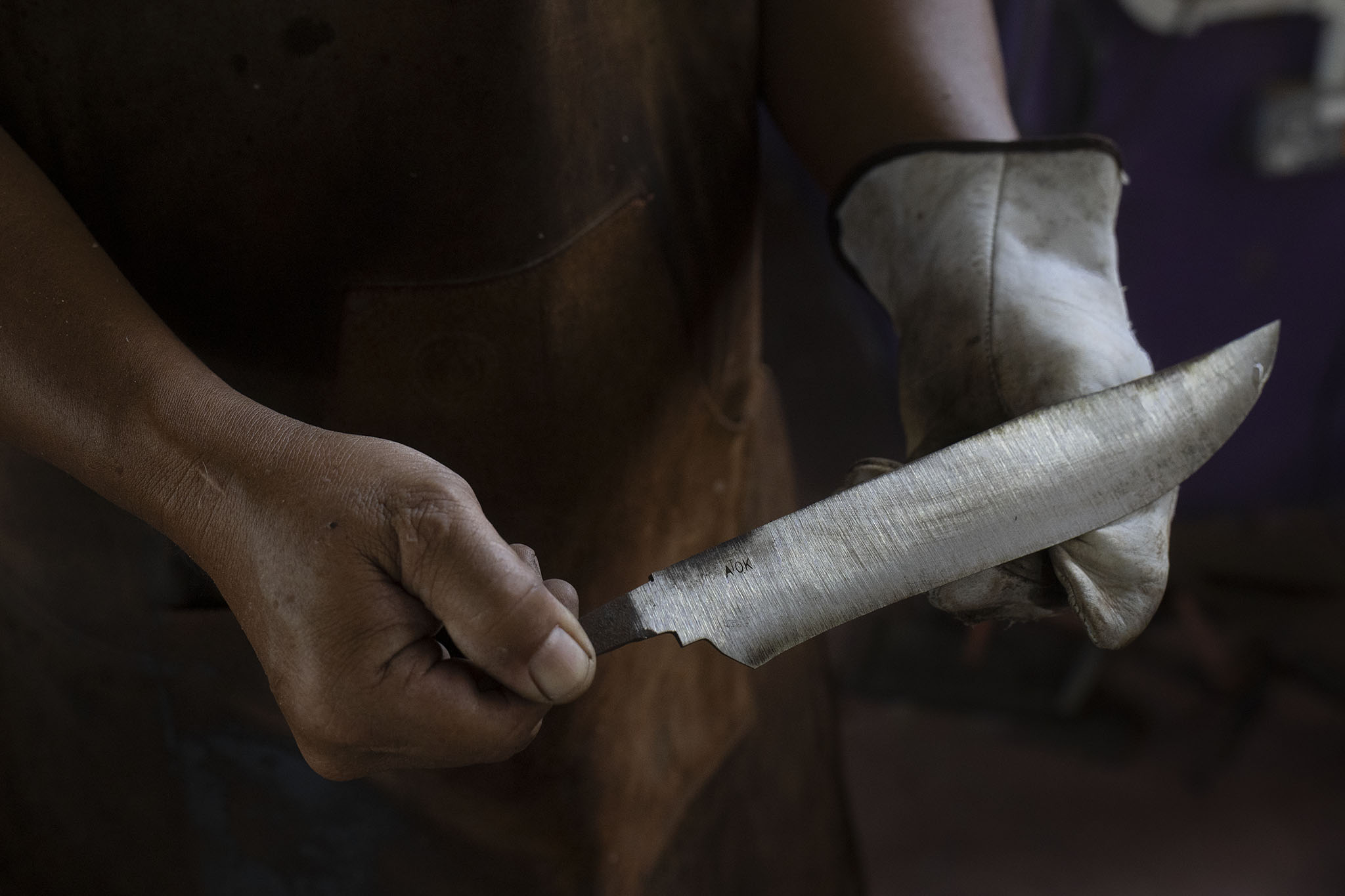
Preserving the Art of the Traditional Parang
Encik Rohaidi bin Dolah, better known as ‘Atok’, is a retired museum staff member with a deep passion for crafting ‘pisau’, or the traditional Malay ‘parang’ (machete). What began as a hobby has, over years of learning and practice, evolved into a refined craft.
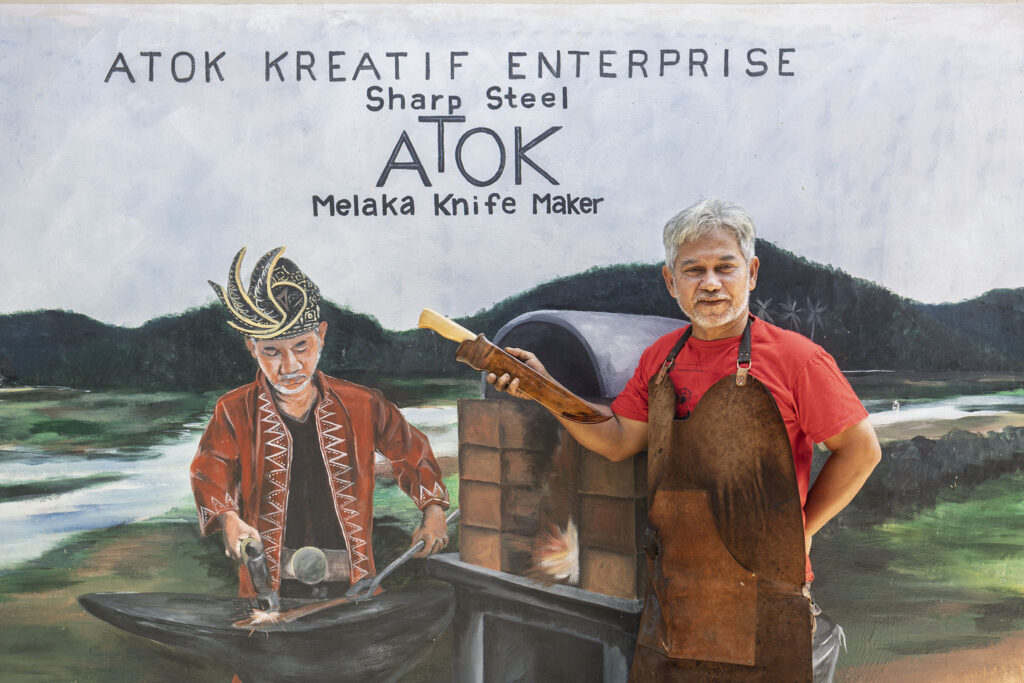
We had the opportunity to visit Atok’s parang workshop in Melaka and interview him about his passion, as well as the challenges facing this traditional craft. While there are no formal records tracing the history of the parang in the state of Melaka, it is known to have originated as a multipurpose blade in the Malay Archipelago.
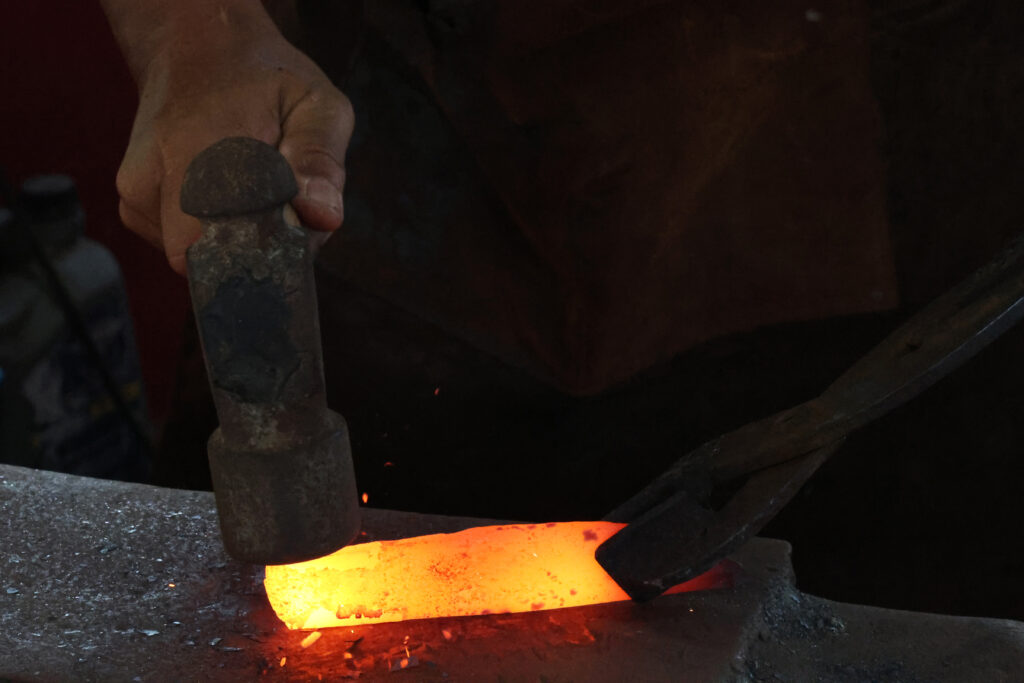
For more than 20 years, Atok has dedicated himself to mastering this craft. Driven by curiosity and a desire to understand how simple scrap metal can be transformed into a functional parang, he learned from experienced masters and through trial and error. He shared that it took him seven attempts to successfully build the right furnace for forging metal.
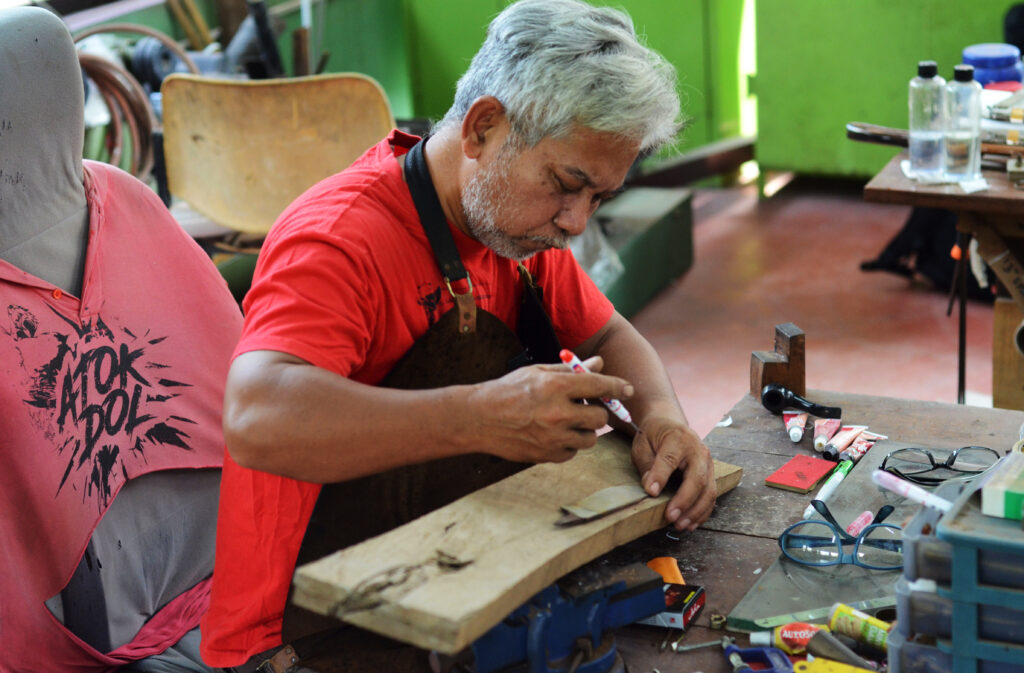
What makes Atok especially proud is that no two parangs he creates are the same. His careful selection of iron and wood, combined with his unique processes and craftsmanship, results in high-quality parangs that are both functional and collectible.
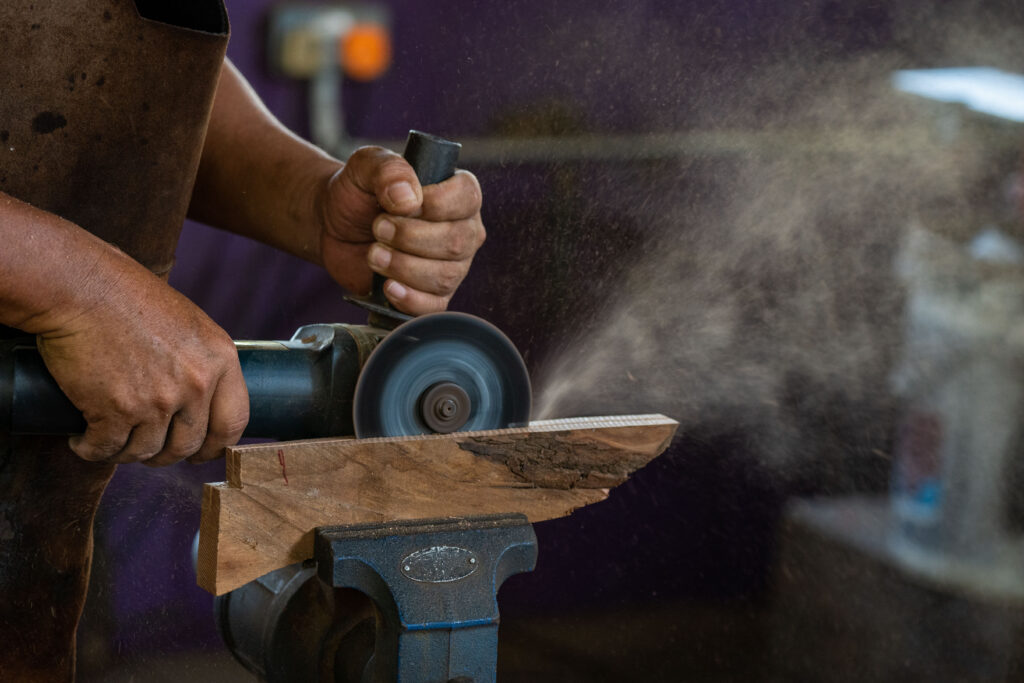
Atok also highlighted several challenges facing the craft today. There is a lack of young apprentices willing to learn, raising concerns about its future continuity. Sourcing high-quality iron and wood has also become increasingly difficult. Additionally, as the parang is classified as a weapon in Malaysia, export restrictions make it challenging to fulfil orders from overseas collectors.Although parangs are now commercially produced, they cannot rival the beauty and individuality of a handcrafted piece made by artisans like Atok. The next time you pick up a parang for chopping or cutting, remember that it is rooted in a traditional craft preserved by passionate artisans like him.
Article by Low Yew Guan